
Short answer: Social skills training for adults teaches the practical skills behind everyday interaction: starting a conversation, reading body language, and responding to others in the moment. The most effective approach combines structured group training with one-on-one coaching, plus real-world practice in daily life.
What Social Skills Training Actually Teaches
Nobody takes a class on small talk or reading a room in school. Most adults pick up social skills by trial and error. Social skills training fills that gap directly, teaching the skills behind connection instead of leaving people to guess.
It covers reading social cues, starting and holding a conversation, managing conflict, and understanding tone and body language. The goal is practical: skills you can actually use, not theory you read about once.
Social Skills Classes for Adults
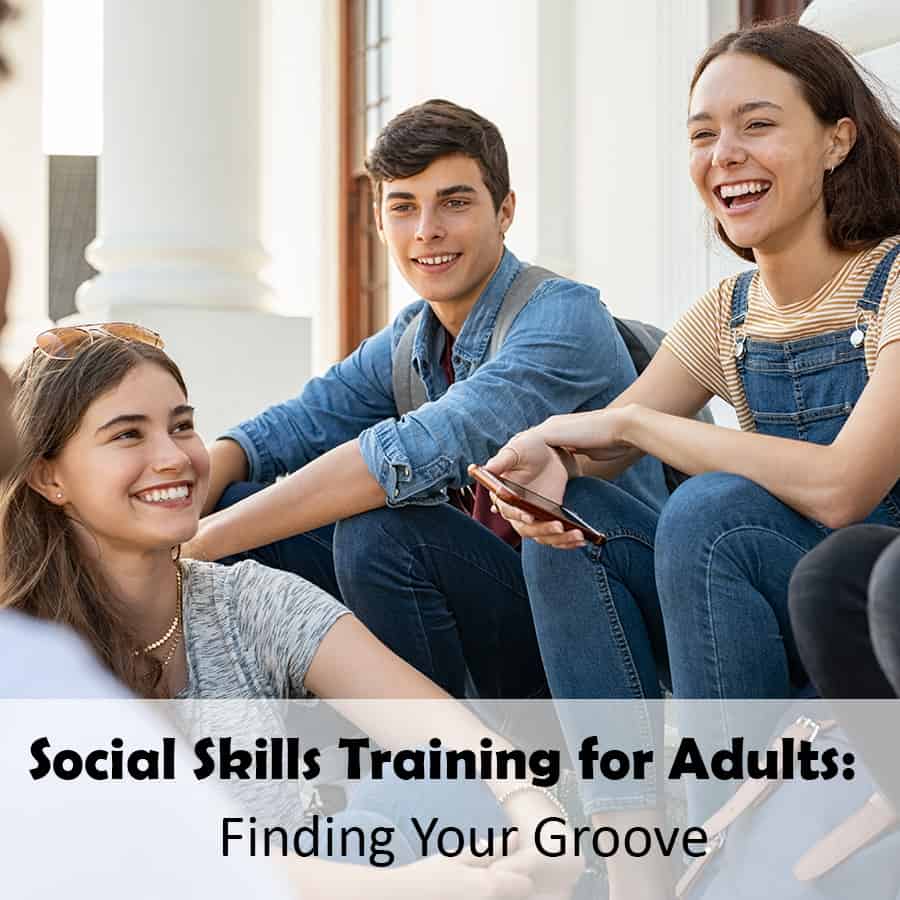
Classes bring adults together in a group setting to practice real interaction, not just watch a lecture. Role-playing, group discussion, and peer feedback let people try out new approaches in a low-stakes setting before using them in daily life.
Group classes work especially well for practicing give-and-take conversation, since a class provides real peers to practice with instead of a hypothetical scenario.
Social Skills Coaching for Adults
Coaching works differently from a class. It is one-on-one, and it adapts to your specific challenges instead of following a fixed curriculum. A coach might help you prepare for a job interview, manage anxiety before a group event, or work through a specific pattern that keeps causing friction.
Consider coaching if you experience real anxiety in social situations, struggle with a specific scenario like dating or networking, or want support that is built around your exact situation rather than a general class.
Social Skills Exercises for Adults
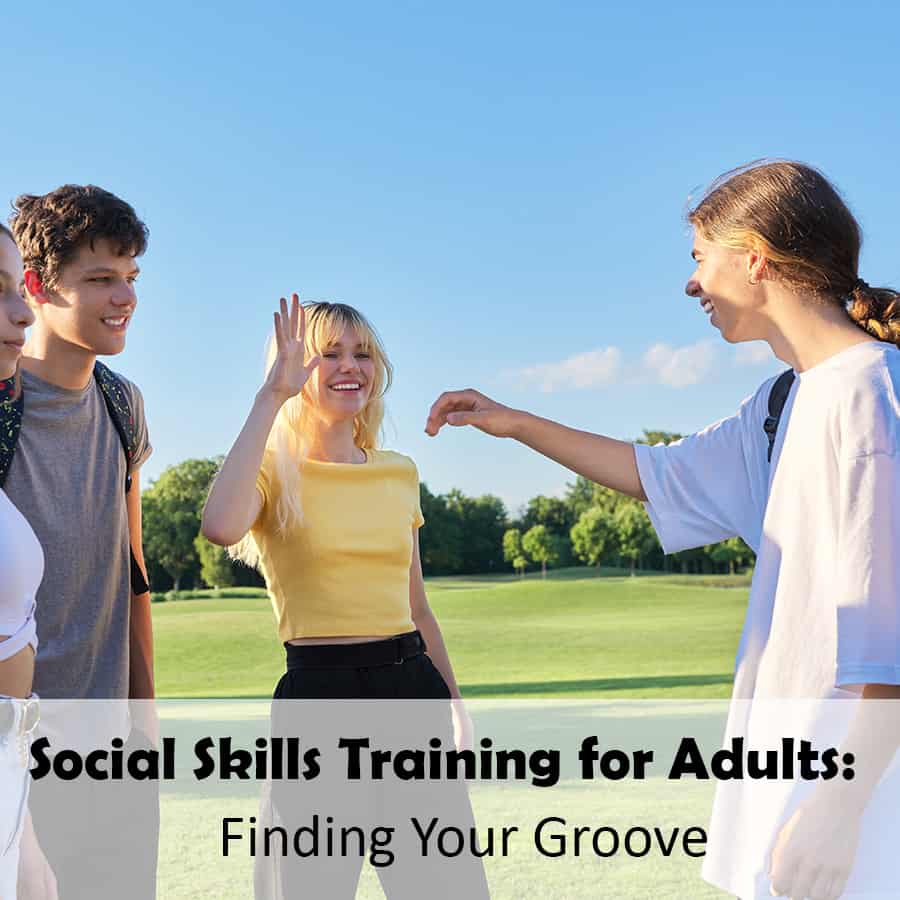
Practice matters more than theory. A few exercises that make a real difference:
- Active listening: focus fully on what the other person is saying instead of planning your next response.
- Self-reflection through journaling: notice your own communication patterns after a conversation.
- Role-playing common scenarios, from casual chats to job interviews.
- Starting small: a short conversation with a cashier or a neighbor builds confidence for bigger interactions.
The Gottman Bids Framework
Psychologist John Gottman describes small moments of connection as “bids,” like a comment, a glance, or a question that invites a response. How people respond to these bids, by turning toward, turning away, or turning against, shapes whether a relationship grows closer or drifts apart.
Learning to notice and respond to bids for connection is one of the most practical social skills an adult can build. It applies to friendships, family relationships, and romantic partnerships alike.
How The Arise Society Teaches Social Skills
Our immersive program builds social skills into daily life instead of teaching them in a classroom alone. Students live in a shared apartment community, so mentors and clinical staff can coach in the moment, right when a real conversation or conflict happens.
We tailor this approach for neurodiverse adults too. Autism and ADHD often call for a different communication style, not a one-size lesson plan, and our team adjusts coaching to fit. Learn more about our autism treatment for adults and supportive living options.
Frequently Asked Questions
What is social skills training for adults?
Social skills training for adults is structured practice in the skills that make everyday interaction work: starting conversations, reading social cues, and responding to others in real time. It combines instruction with actual practice, not just talking about the theory.
What is the difference between social skills training and coaching?
Training happens in a group setting and follows a structured curriculum. Coaching is one-on-one and adapts to your specific challenges, like interview prep or managing anxiety in group settings. Combining both tends to work best.
Can adults with autism or ADHD benefit from social skills training?
Yes. Neurodiverse adults often benefit from training that adapts to their communication style rather than forcing a one-size approach. Programs that build in real-world practice tend to work better than lecture-based formats.
How long does it take to see improvement in social skills?
Most people notice real changes over months of consistent practice, not days. Skills that get used in daily situations, not just talked about, tend to stick the fastest.
Want to see how our approach to social skills coaching could fit your situation? Contact us to talk it through.