
Community as Classroom: Why Peer Feedback Transforms Connection Skills Faster Than Traditional Therapy
 Sitting alone in a therapist’s office, Sarah talks about her struggles making friends. She describes feeling awkward at parties, never knowing what to say, watching conversations happen around her while she stands silent. Her therapist listens empathetically, offers insights about social anxiety, suggests cognitive strategies. Sarah nods, feeling understood. But when she walks into her next social situation, she’s just as lost as before.
This scenario plays out thousands of times weekly across America. Traditional one-on-one therapy provides valuable insights and support, but when it comes to developing social skills, it has a fundamental limitation: you can’t learn to swim by talking about swimming. You need to get in the water.
Research increasingly shows that community-based learning environments dramatically accelerate the development of connection skills compared to individual therapy alone. The reason is simple but profound: social skills are inherently social. They require real-time practice, immediate feedback, observation of others, and the safety to fail and try again.
The Limits of Traditional Talk Therapy for Social Skills
Individual therapy excels at many things: processing trauma, understanding emotional patterns, developing insight, managing symptoms. But when the goal is developing social competence, traditional therapy faces several challenges:
1. The Practice Gap
Talking about social situations provides intellectual understanding but not embodied skill. Research on social skills training shows that knowledge alone doesn’t translate to behavioral change. You can understand the concept of “turning toward” someone’s bid for connection, but actually recognizing and responding to a bid in real-time requires practiced skill that only comes from repeated experience.
2. The Feedback Delay
In individual therapy, you might discuss a social interaction that happened days or weeks ago. The feedback loop is so delayed that connecting your behavior to its impact becomes difficult. Immediate feedback, by contrast, allows for rapid learning and adjustment.
3. The Artificial Environment
The therapist-client relationship, while valuable, is a unique dynamic that doesn’t replicate peer interactions. Your therapist is trained to respond supportively, creating an environment quite different from real-world social situations where others aren’t obligated to be understanding or patient.
4. The Observer Effect
Individual therapy relies on self-reporting, but we’re notoriously unreliable narrators of our own social behaviors. We emphasize certain details, minimize others, and often genuinely don’t see what others see. Without external observation, crucial blind spots remain hidden.
How Community-Based Learning Changes Everything
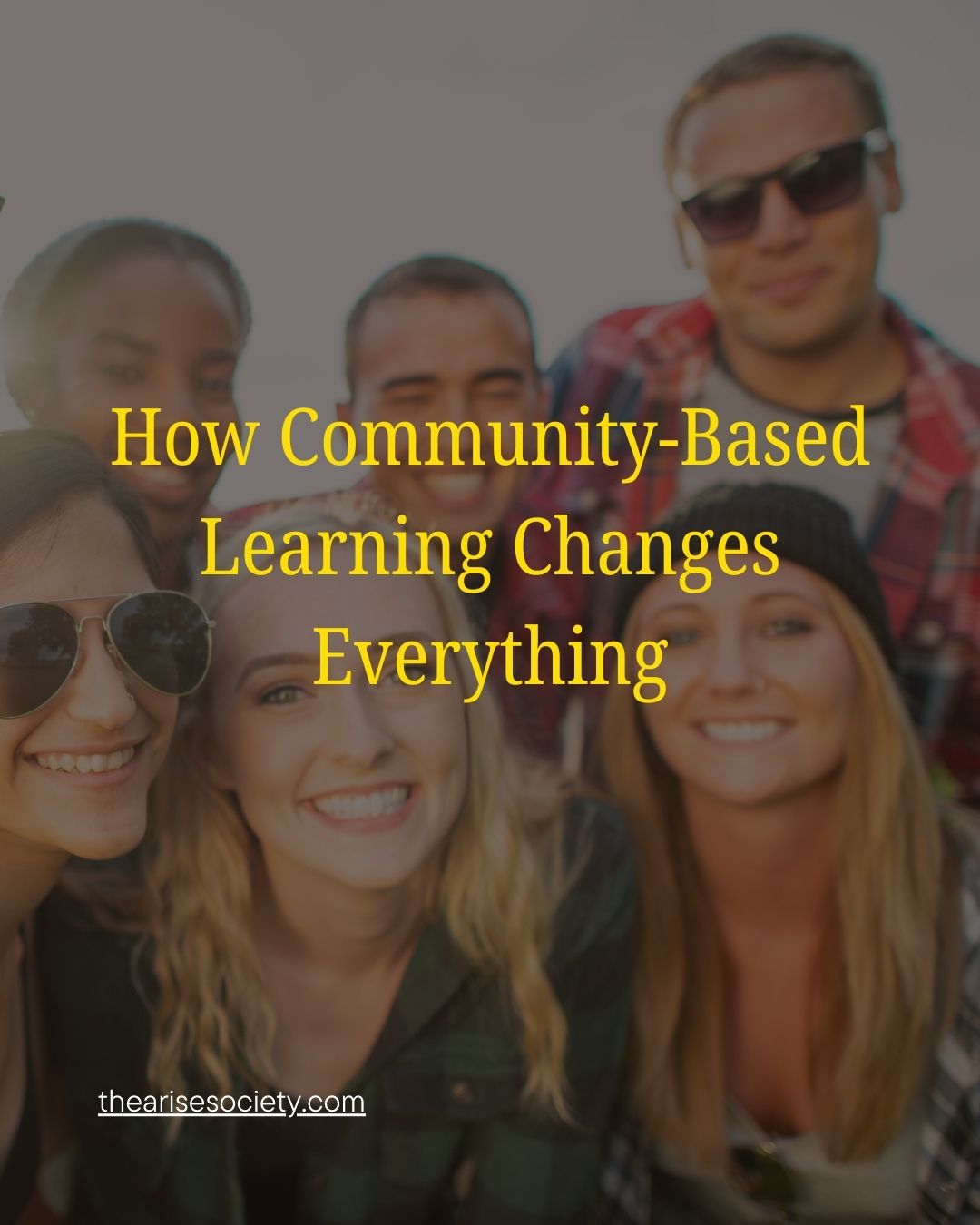 Community environments offer something individual therapy cannot: the actual social context where skills are needed. Research on family communication patterns found that conversation-oriented families, where communication happened frequently and naturally, produced young adults with significantly better social outcomes. The key wasn’t formal instruction, it was constant, natural practice.
Community-based learning replicates this principle for young adults who didn’t receive adequate social practice in their families. Here’s what makes it uniquely effective:
Real-Time Practice
Instead of talking about social interaction, you’re actually interacting. Every conversation, group activity, shared meal, or collaborative project becomes an opportunity to practice connection skills. Research shows that a couple can make over 100 bids during a single meal, each one an opportunity for practice and feedback.
Immediate Feedback
When you make a bid for connection in a community setting, you instantly see how it lands. Did the person light up? Look confused? Turn away? This immediate feedback allows for rapid learning and adjustment that delayed feedback can never provide.
Multiple Perspectives
Different people respond to bids differently, providing varied feedback that helps you develop flexibility. What works with one person might not work with another, and community exposure teaches this nuance far better than any theoretical discussion.
Observation and Modeling
Watching others interact successfully provides powerful learning. You see what effective bids look like, how skilled people respond, how they repair when things go wrong. Mirror neurons in your brain fire as if you’re performing these behaviors yourself, creating neural pathways before you even try.
Social Proof and Motivation
Seeing peers develop skills provides hope and motivation. When someone similar to you succeeds, you believe you can too. This social proof is far more powerful than a therapist’s encouragement.
The Science Behind Social Learning
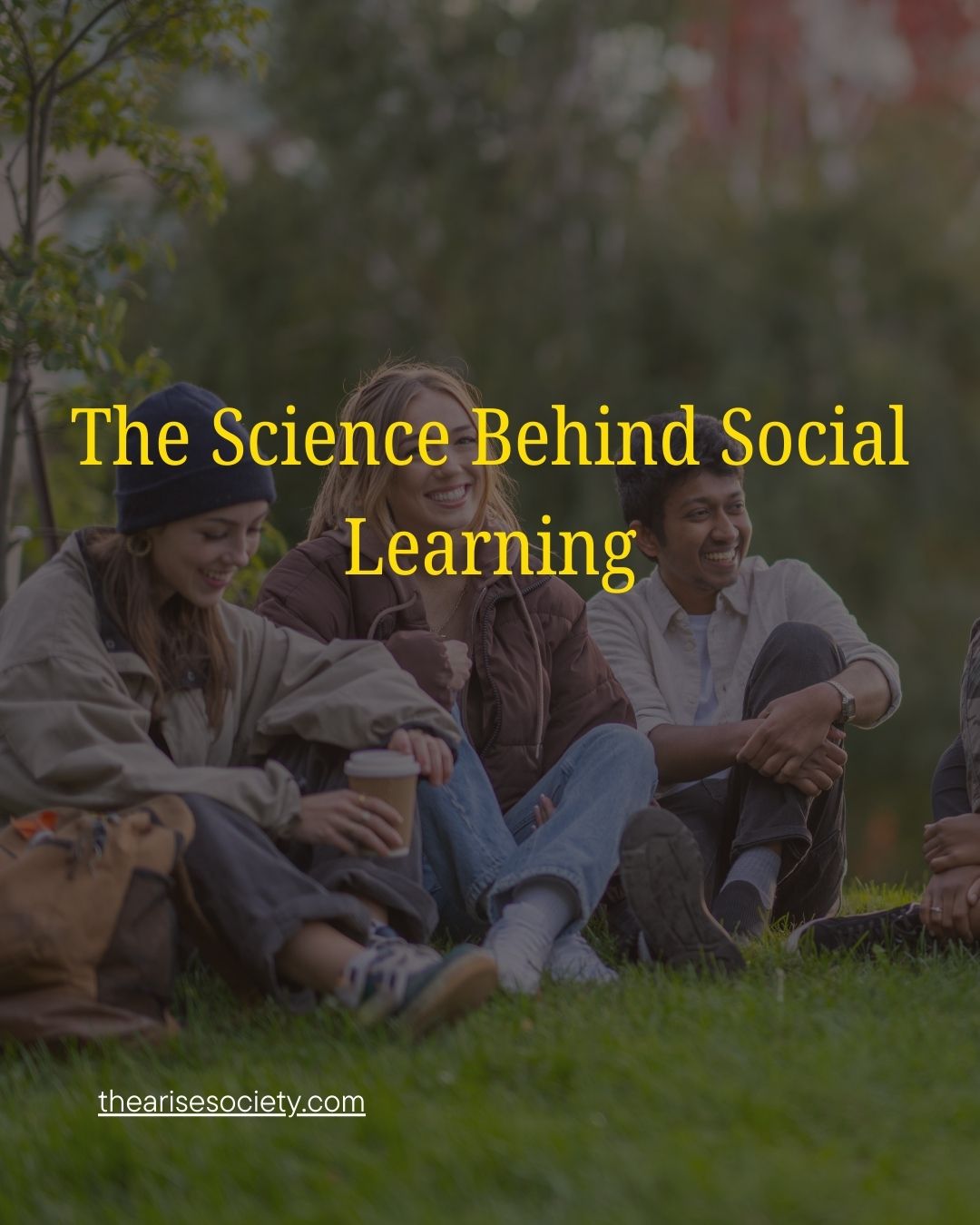 Research on social skill development consistently shows that experiential learning in group contexts produces faster, more lasting change than individual instruction. A comprehensive study found that social skills interventions delivered in group formats showed significantly stronger effects than individual approaches.
Why does this work so well?
Mirror Neurons and Observational Learning
When you observe someone making a successful connection bid, mirror neurons in your brain activate as if you were performing the action yourself. This creates neural pathways that facilitate your own attempts. You’re literally practicing by watching.
Repetition and Reinforcement
Social skills require thousands of repetitions to become automatic. A community environment provides countless daily opportunities for practice, far more than can ever happen in weekly therapy sessions. Research indicates that the masters of relationships respond to bids 86% of the time, but reaching this level requires extensive practice.
Contextual Learning
Skills learned in context transfer more effectively than those learned in isolation. When you practice connection skills in the actual environments where you’ll use them (shared meals, group projects, casual conversations), the skills naturally generalize to other similar situations.
Safety in Numbers
Paradoxically, community can feel safer than individual exposure. When everyone is working on similar skills, vulnerability becomes normalized. You’re not the only one struggling, which reduces shame and increases willingness to risk.
What Community-Based Learning Looks Like in Practice
| Activity | Skills Practiced | Feedback Mechanism |
|---|---|---|
| Shared meals | Conversational bidding, active listening, group dynamics | Natural responses from peers, facilitator observation |
| Group projects | Collaboration, conflict resolution, leadership, following | Task outcomes, peer input, structured debriefs |
| Community meetings | Public speaking, expressing needs, voting, consensus building | Group decisions, expressed responses, facilitator coaching |
| Recreational activities | Casual conversation, humor, friendly competition, sportsmanship | Enjoyment level, inclusion patterns, spontaneous reactions |
| Process groups | Vulnerability, emotional expression, giving and receiving support | Structured feedback from peers and facilitators |
| One-on-one time | Deeper connection, active listening, reciprocity | Quality of relationships formed, partner feedback |
The Power of Peer Feedback
 One of the most underutilized resources in social skills development is peer feedback. Research shows that peer feedback can be even more impactful than expert feedback for several reasons:
Greater Credibility
Peers are seen as “in the trenches” with you, facing similar challenges. Their feedback feels more relevant and achievable than advice from someone who seems to have it all figured out.
Reduced Defensiveness
Feedback from peers often triggers less defensiveness than criticism from authority figures. When someone similar to you offers a suggestion, you’re more likely to consider it rather than explain it away.
Specific and Relevant
Peers can offer highly specific feedback about the exact interaction that just occurred, pointing out nuances that even skilled therapists might miss when hearing second-hand accounts.
Reciprocal Learning
Giving feedback to others strengthens your own skills. When you observe and articulate what works or doesn’t work in others’ interactions, you become more aware of your own patterns.
Case Study: Traditional Therapy vs. Community Learning
Consider two young adults, both struggling with social isolation and failure to launch:
Jake: Individual Therapy Approach
- Attends weekly therapy sessions
- Discusses social anxiety and past rejections
- Develops cognitive strategies for managing anxiety
- Receives encouragement and validation
- Practices social skills through role-play with therapist
- Homework: Try one social interaction per week
Results after 6 months: Better understanding of his anxiety, improved mood, but minimal improvement in actual social functioning. When Jake attempts social interaction, he still struggles because he hasn’t had enough real-world practice.
Emma: Community-Based Learning
- Participates in daily community activities
- Receives real-time feedback on social attempts
- Observes successful interactions constantly
- Practices connection skills dozens of times daily
- Builds actual relationships with peers
- Individual therapy provides processing support
Results after 6 months: Significantly improved social skills, formed genuine friendships, increased confidence, ready for independent living. Emma still feels anxiety sometimes, but she has practiced skills that work despite the anxiety.
The difference isn’t that individual therapy is bad, it’s that social skills require social practice. Emma received the best of both worlds: the insight and support of individual therapy combined with the practice and feedback of community learning.
Components of Effective Community-Based Learning
Not all group experiences produce these results. Effective community-based learning for social skills development requires specific elements:
1. Structured Yet Natural
The environment should feel natural and spontaneous while actually being carefully structured to create optimal learning opportunities. Skilled facilitators create situations that require specific skills without making it feel forced or artificial.
2. Appropriate Challenge Level
Activities should be challenging enough to promote growth but not so overwhelming that participants shut down. This requires graduated exposure, starting with easier interactions and building to more complex ones.
3. Safety and Trust
Participants need to feel safe taking risks. This requires clear community norms, skilled facilitation, and enough time for trust to develop. Research shows that psychological safety is essential for learning and growth.
4. Immediate and Constructive Feedback
Feedback should come quickly while the interaction is fresh, but it must be delivered constructively. Harsh criticism shuts people down; specific, actionable, kind feedback promotes growth.
5. Multiple Learning Modalities
Effective programs combine observation, practice, feedback, reflection, and explicit instruction. Different people learn through different channels, and redundancy strengthens learning.
6. Sufficient Duration
Social skills don’t develop in a weekend workshop. Research suggests that meaningful change requires several months of consistent practice. Programs should provide enough time for skills to become automatic.
The Integration Model: Community Plus Individual Support
The most effective approach integrates community-based learning with individual therapeutic support. Here’s how they complement each other:
| Individual Therapy | Community Learning | Combined Effect |
|---|---|---|
| Process underlying trauma or anxiety | Practice skills despite discomfort | Healing past wounds while building future capabilities |
| Develop insight into patterns | Test new behaviors in real situations | Understanding translates to action |
| Emotional support during challenges | Real challenges to face and overcome | Support available when most needed |
| Identify specific areas for growth | Targeted practice in those areas | Efficient, focused skill development |
What the Research Shows
Studies comparing different interventions for social skills deficits consistently find that community-based approaches outperform individual approaches:
- Social skills training delivered in group formats showed significantly larger effect sizes than individual training
- Young adults who participated in structured community experiences showed faster improvement in relationship quality than those who received only individual therapy
- Skills learned in group contexts showed better generalization to real-world situations
- Community-based interventions produced more lasting changes, with skills maintained at follow-up assessments
Research on young adults specifically found that family communication patterns emphasizing conversation orientation produced better outcomes because they provided more practice opportunities. Community-based programs essentially provide this conversation-rich environment for young adults who didn’t receive it in their families.
Addressing Common Concerns
“But I’m too anxious for group settings”
Many young adults with social anxiety believe they need to overcome their anxiety before joining a community program. Actually, the reverse is true. Anxiety improves through graduated exposure in supportive environments, not through avoiding the situations that trigger it. Well-designed community programs accommodate anxiety while providing the exposure necessary for improvement.
“Won’t I just fail publicly and make things worse?”
In poorly designed programs, this is possible. But in well-structured communities with skilled facilitation, failure becomes a learning opportunity rather than a traumatic experience. The community itself provides the safety net that allows risk-taking.
“I need one-on-one attention for my specific issues”
The integration model provides both. Individual therapy addresses your unique needs while community participation builds general social competence. Neither replaces the other, they’re synergistic.
Finding the Right Community-Based Experience
Not all community programs are equally effective. Look for these characteristics:
- Skilled facilitators with training in social development
- Small enough for individual attention (usually 8-15 participants)
- Sufficient duration (minimum several months)
- Integration with individual therapeutic support
- Clear focus on social skill development
- Evidence-based approaches (like Gottman principles)
- Positive culture that normalizes vulnerability and growth
- Real-world applications (not just classroom learning)
Immersive programs designed for young adults incorporate these elements, recognizing that transforming social functioning requires the right combination of community practice and individual support.
The Bottom Line
Traditional therapy provides valuable insights and emotional support, but when it comes to developing social skills, community-based learning offers something therapy alone cannot: the actual social context where skills are practiced, observed, and refined through hundreds of daily interactions.
For young adults struggling with social connection, failure to launch, or isolation, community-based learning isn’t just one option among many, it’s often the most direct path to meaningful change. By providing real-time practice, immediate feedback, observation opportunities, and peer support, community environments accelerate social skill development in ways that talking about social situations never can.
The goal isn’t to replace individual therapy but to complement it with the experiential learning that makes abstract insights concrete and actionable. In the classroom of community, every interaction becomes a lesson, every relationship a teacher, and every day an opportunity for growth.
Sources:
- Gottman, J. M., & Gottman, J. S. (2017). The Natural Principles of Love. Journal of Family Theory & Review, 9(1), 7-26.
- Bandura, A. (1977). Social Learning Theory. Prentice Hall.
- Segrin, C. (2000). Social skills deficits associated with depression. Clinical Psychology Review, 20(3), 379-403.
- Koerner, A. F., & Fitzpatrick, M. A. (2002). Family Communication Patterns Theory. Communication Theory, 12(1), 70-91.