

Understanding Withdrawal as a Connection Strategy
Maya sits alone at the family dinner table, silent while everyone else talks and laughs. When her mom asks if she’s okay, she shrugs and says “fine.” She’s not fine. She’s hurt that nobody asked about her college application, lonely despite being surrounded by family, desperate for connection but unable to articulate it. Her silence is a bid for attention, but it’s invisible to everyone around her.
Withdrawal might seem like the opposite of seeking connection, but for millions of young adults, it’s actually their primary strategy for trying to be noticed, understood, and cared for. Understanding this paradox is crucial for both those who withdraw and those who love them.
What Is a Silent Bid?

In Dr. John Gottman’s framework of bids for connection, most bids are active, you say something, touch someone, make eye contact, share an experience. But some bids are passive, marked by absence rather than presence. These are silent bids, attempts to get attention, care, or validation through withdrawal, quietness, or withholding.
Silent bids include:
- The silent treatment after feeling hurt
- Withdrawing to your room when you need support
- Becoming quiet and waiting for someone to notice
- Isolating yourself hoping someone will check on you
- Withholding affection to see if anyone cares
- Passively waiting for others to reach out instead of initiating
The fundamental characteristic of silent bids is that they communicate through absence. The message is “notice that I’m not here” or “see that something is wrong” or “prove you care by pursuing me.”
Why Young Adults Use Withdrawal as a Connection Strategy
Research on family communication patterns provides insight into how these behaviors develop. In families low in conversation orientation, direct communication about feelings and needs may be discouraged or modeled poorly. Children learn that expressing needs directly doesn’t work, so they develop indirect strategies.
A study of over 19,745 participants found that family communication patterns have meaningful associations with behavioral and psychosocial outcomes. Young adults from families where silence was used as a communication tool naturally replicate this pattern.
Common Origins of Silent Bidding
| Childhood Experience | What Was Learned | Adult Silent Bidding Pattern |
|---|---|---|
| Direct requests punished or criticized | “Asking for what I need leads to rejection” | Waiting silently for others to offer |
| Emotions dismissed or minimized | “My feelings don’t matter unless I make them impossible to ignore” | Dramatic withdrawal to force attention |
| Parent only noticed when child was upset | “The only way to get attention is through distress” | Creating concern through absence |
| Expressing needs seen as “needy” or weak | “I should be self-sufficient, needing others is shameful” | Withdrawing rather than asking for support |
| Conflict avoided in family | “Silence is safer than direct communication” | Shutting down when upset |
The Cost of Silent Bids

While silent bids feel safer than direct ones, they carry significant costs. Research consistently shows that withdrawal and avoidance behaviors are associated with:
- Increased loneliness despite proximity to others
- Higher rates of depression and anxiety
- Relationship dissatisfaction for both parties
- Escalating conflict when silence is interpreted as hostility
- Chronic feelings of being misunderstood
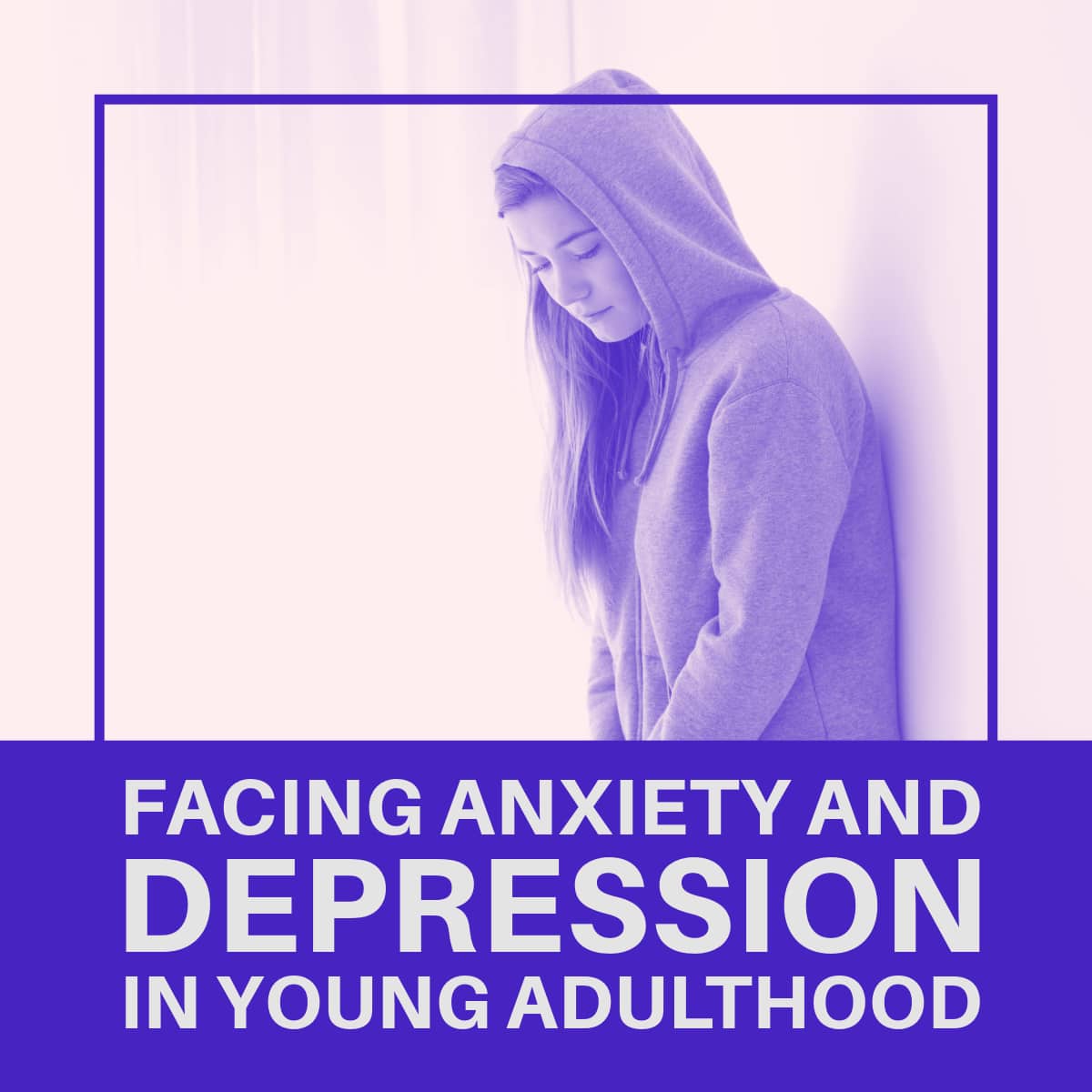
The U.S. Surgeon General’s 2023 report on loneliness identified communication patterns like withdrawal as significant contributors to the epidemic of isolation affecting young adults. Poor social skills, including passive communication styles, are linked to elevated stress, increased loneliness, and compromised mental and physical health.
How Silent Bids Backfire
Silent bids rarely achieve their intended purpose. Here’s why:
1. They’re Easily Missed
While you know you’re withdrawing intentionally, others often don’t notice. They’re busy with their own concerns, distracted by screens, or simply not attuned to your absence. You’re waiting to be noticed, but nobody realizes there’s anything to notice.
2. They’re Often Misinterpreted
Even when noticed, withdrawal is frequently misread. Others might think:
- “They want space, so I’ll give it to them”
- “They’re in a bad mood, I’ll stay away until they feel better”
- “They don’t like me, so I’ll keep my distance”
- “They’re just shy or introverted”
None of these interpretations match your actual desire for connection, but your silent bid doesn’t clarify your true intent.
3. They Create Distance Instead of Connection
The fundamental problem with withdrawal as a connection strategy is that it moves you away from others when you want them to move toward you. You’re hoping they’ll pursue you, but you’ve created barriers to that pursuit.
4. They Test Relationships Unfairly
Silent bids often function as relationship tests: “If they really cared, they’d notice” or “If I mattered, they’d check on me.” But these tests are based on unclear criteria that set others up to fail. You’re essentially requiring mind-reading.
The Gottman Research on Silent Bids
While Gottman’s research primarily focused on active bids, his work on “turning away” is relevant here. When partners consistently turn away from each other’s bids, missing or ignoring connection attempts, relationships deteriorate. Couples who divorced turned toward bids only 33% of the time, while successful couples managed 86%.
Silent bids are particularly problematic because they’re easy to miss (turning away unintentionally) and can be interpreted as turning away themselves (you’re withdrawing from others’ attempts to connect).
Gottman also identified “stonewalling,” one of the “Four Horsemen” that predict relationship failure. Stonewalling, completely withdrawing and shutting down during conflict, is essentially an extended silent bid taken to its extreme. Research found that in relationships where stonewalling was prevalent, the likelihood of separation or divorce increased dramatically.
Types of Silent Bids
1. The Protest Withdrawal
Pulling away as a form of punishment or protest. “I’ll show them by withdrawing my presence.” This pattern is particularly common in young adults who feel powerless in relationships. Withdrawal becomes a way to exert control.
Why It Develops: Often learned in families where direct expression of anger or disappointment was not allowed.
What It Looks Like:
- Silent treatment after an argument
- Sulking or pouting
- Pointedly ignoring someone
- Canceling plans without explanation
2. The Safety Withdrawal
Retreating when feeling vulnerable or overwhelmed. This isn’t primarily about getting attention but about self-protection, though there’s often a hidden hope that someone will notice and offer support.
Why It Develops: Past experiences of vulnerability leading to hurt, rejection, or criticism.
What It Looks Like:
- Isolating when feeling sad or anxious
- Declining invitations without explanation
- Becoming quiet and unresponsive
- Physical withdrawal from social spaces
3. The Testing Withdrawal
Pulling back to see if anyone will pursue you, a test of whether you matter to others.
Why It Develops: Insecure attachment patterns where love feels conditional and must be repeatedly proven.
What It Looks Like:
- Not initiating contact to see if others will
- Becoming unavailable to gauge interest
- Creating distance to see who closes it
- Waiting to be invited rather than asking to join
4. The Overwhelm Withdrawal
Shutting down when social demands exceed capacity, but without communicating the need for space.
Why It Develops: Never learning to set boundaries or communicate limits directly.
What It Looks Like:
- Disappearing when social demands feel too high
- Becoming non-responsive without explanation
- Isolating after intense social periods
- Avoiding communication when feeling depleted
The Pattern: How Silent Bids Create Isolation Cycles
Silent bids often create self-fulfilling prophecies:
- You Feel Hurt/Lonely: Something happens that triggers a need for connection
- You Withdraw: Instead of expressing the need, you pull away
- Others Don’t Notice/Misinterpret: Your withdrawal goes unrecognized or is misread
- You Feel More Hurt: “See, nobody cares” becomes your conclusion
- You Withdraw Further: Confirmation of your fears leads to deeper withdrawal
- The Cycle Deepens: Increasing isolation “proves” that you don’t matter
Research on failure to launch syndrome shows that approximately 54.6% of young adults who left home returned to live with parents, many struggling with exactly this pattern. Unable to build connections through healthy bidding, they withdraw, which further impairs their ability to form the social networks necessary for independence.
From Silent Bids to Direct Communication
Transforming silent bids into healthy, active ones requires understanding what needs the silent bid is trying to meet, then finding direct ways to express those needs.
Step 1: Identify the Underlying Need
What are you really hoping for when you withdraw? Common needs underlying silent bids include:
- Validation that you matter
- Reassurance that you’re valued
- Someone to notice your pain without you having to explain it
- Space and time alone but with the security of knowing others care
- Permission to be vulnerable
- Proof that someone will pursue you
Step 2: Practice Direct Alternatives
| Silent Bid | Direct Alternative |
|---|---|
| Withdrawing to room when upset | “I’m feeling upset about what happened. I need some time alone, but I’d like to talk about it later.” |
| Silent treatment after argument | “I’m too upset to talk right now without saying things I’ll regret. Can we revisit this in an hour?” |
| Waiting for others to reach out first | Initiating contact yourself: “Hey, want to grab coffee?” |
| Becoming quiet, hoping someone asks what’s wrong | “I’m struggling with something. Do you have time to talk?” |
| Canceling plans without explanation when overwhelmed | “I’m feeling really overwhelmed and need to recharge. Can we reschedule?” |
Step 3: Build Tolerance for Vulnerability
Direct bids require vulnerability, admitting you need something from someone else. For many young adults, especially those with anxious or avoidant attachment patterns, this feels terrifying. The progression looks like:
- Recognition: Notice when you’re withdrawing as a bid
- Small Risks: Start with low-stakes direct communications
- Tolerate Discomfort: Practice being direct even when it feels uncomfortable
- Build Evidence: Accumulate experiences of direct bids working
- Integration: Direct communication becomes more natural than withdrawal
Step 4: Address Underlying Anxiety or Trauma
Sometimes silent bidding isn’t just a learned pattern but a trauma response. If vulnerability consistently led to hurt in your past, your nervous system learned that withdrawal equals safety. Addressing this may require professional support focused on attachment repair and trauma processing.
For Those Living With Someone Who Uses Silent Bids
If someone you care about relies on withdrawal as their connection strategy, here’s how you can help:
Don’t Play the Guessing Game
Resist the temptation to interpret silence. Instead, offer observation without assumption: “I notice you’ve been quiet today” rather than “I can tell you’re mad at me.”
Make Space for Direct Communication
“I want to understand what you need, but I’m not great at reading minds. Can you help me understand what’s going on?”
Validate Feelings While Encouraging Expression
“I can see something’s bothering you, and whatever it is, your feelings are valid. I’m here when you’re ready to talk about it.”
Don’t Reinforce the Pattern
While you want to be supportive, chasing someone who’s withdrawing can actually reinforce the behavior. Instead of pursuing aggressively, offer availability: “I’m here if you want to talk” and then give space.
Model Direct Communication
“When you withdrew earlier, I felt confused and worried. I wanted to give you space but also wanted to know you’re okay. Next time, it would help me if you could let me know what you need.”
The Role of Community in Transforming Silent Bids
One of the challenges with silent bids is that they’re often deeply entrenched family patterns. Changing them requires a different environment where new patterns can be practiced. Structured community programs provide ideal settings because:
- Withdrawal becomes immediately visible in community settings
- Peers and facilitators can offer real-time feedback
- Direct communication is modeled constantly
- Safe environment allows vulnerability practice
- Community norms establish expectations for direct expression
Immersive programs for young adults specifically address these patterns, recognizing that withdrawal often underlies failure to launch and social isolation issues. In a community setting, silent bids can be gently challenged and replaced with healthier alternatives.
Measuring Your Progress Away from Silent Bidding
Track these indicators of improvement:
- Frequency of direct requests for support or connection
- Reduced time spent in isolation
- Increased clarity in communication about needs
- Greater comfort with vulnerability
- More satisfying responses from others
- Reduced frustration about being misunderstood
- Stronger, more authentic relationships
The Bottom Line: Silence Isn’t Connection
Withdrawal as a connection strategy is fundamentally paradoxical. You’re trying to draw people closer by moving away, hoping to be noticed by becoming invisible, testing love by withholding presence. While these patterns make sense given their origins, they consistently fail to create the connection you’re seeking.
Transforming silent bids into direct, active ones requires courage, practice, and often support. It means risking rejection explicitly rather than through ambiguous withdrawal. It means asking for what you need instead of hoping someone will guess. It means being vulnerable about your desire for connection.
But the payoff is immense: relationships where you feel truly seen, needs that actually get met, connections based on authenticity rather than mind-reading, and the freedom to be yourself without the exhausting weight of silent suffering.
Silence may feel safer than speaking up, but it’s also lonelier. The voice you’re protecting by staying silent is the same voice that could call others close.
Sources:
- Gottman, J. M., & Silver, N. (1999). The Seven Principles for Making Marriage Work. Harmony Books.
- Office of the Surgeon General (2023). Our Epidemic of Loneliness and Isolation. U.S. Department of Health and Human Services.
- Schrodt, P., Witt, P. L., & Messersmith, A. S. (2008). A meta-analytical review of family communication patterns. Communication Monographs, 75(3), 248-269.
- Segrin, C. (2017). Indirect effects of social skills on health through stress and loneliness. Health Communication, 32(1), 118-124.
Check out our YouTube channel